Suzuki Gorō
-
Exhibitions
-

Teabowls and Waterjars
4 Dec 2023 - 5 Jan 2024Read more -
Chanoyu
Teaware of Japan 15 Jul - 31 Aug 2020Read more -
Restraint and Flamboyance: Masterworks of Mino
Asia Week 2020 12 - 28 Mar 2020Read more -
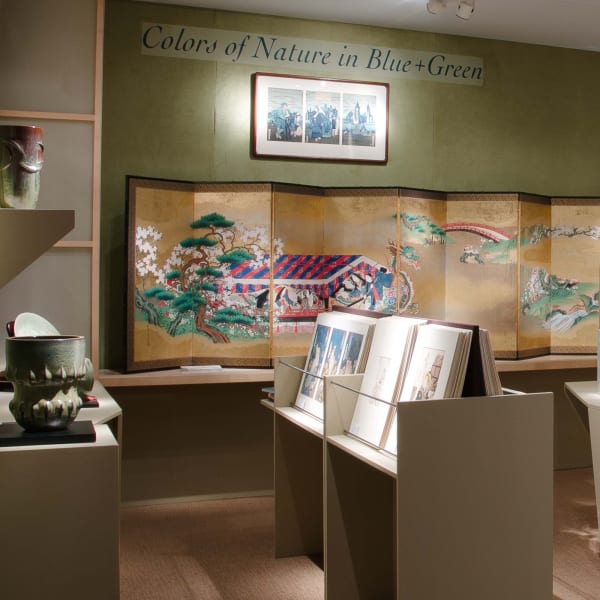
Ao: Colors of Nature in Blue+Green
Winter Antiques Show 20 - 29 Jan 2017Read more
-
-
biography
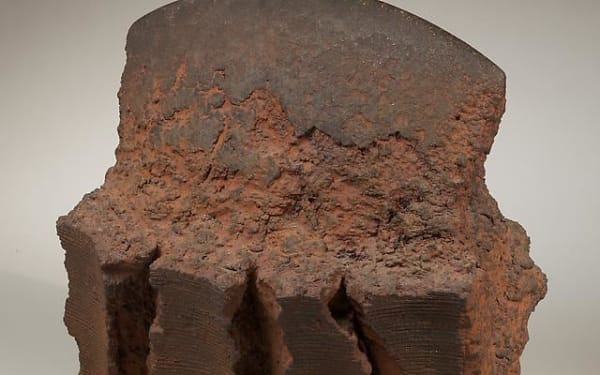
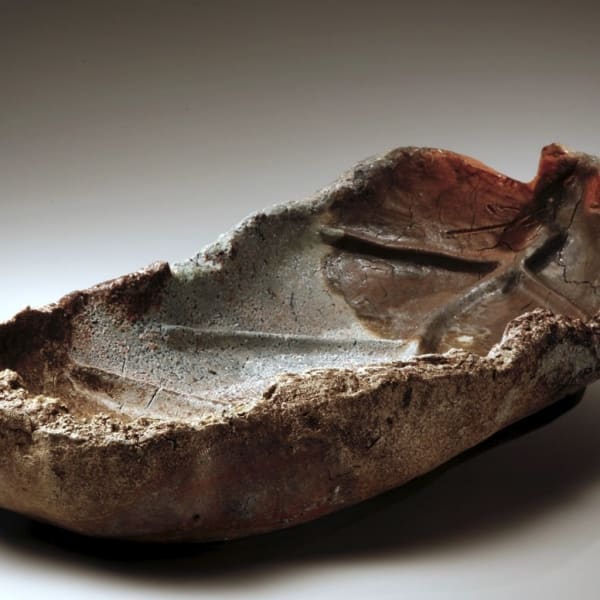
Suzuki Gorô has revitalized the aesthetics of classical Oribe ware with his unrivalled inventiveness. His most innovative technique, called yobitsugi [patchwork], demonstrates his playful nature. In this technique, Suzuki first cuts a completed and fired vessel into several pieces. Each part is differently glazed and fired at appropriate temperature. Then, he assembles fired pieces using lacquer to glue pieces into the final shape. This technique enables him to produce pieces larger than his kiln might otherwise accommodate. Through his endlessly creativity, Suzuki makes each of his works different and unique.
1941 Born in Toyota City, Aichi
1969 Visted the U.S.A.
1975 Visiting Scholar, Rhode Island School of Art and Design, U.S.
1982 Visiting Scholar, Cranbrook Academy of Art, Michigan
Awards:
1961 Nitten (Japan Art Academy Award)
Govenor of Aichi Prefecture Prize, Asahi Ceramic Arts Exhibition ’61
1962 Grand Prize, Asahi Ceramic Arts Exhibition ’62
1966 Grand Prize, Asahi Ceramic Arts Exhibition ’66
1971 Encouragement Award, The Third Chunichi International Ceramic Exhibition
1975 Grand Prize, Asahi Ceramic Arts Exhibition ’75
2002 Japanese Ceramic Society Prize
Solo Exhibitions:
1970 Gallery Q, Los Angeles, California, U.S.A.
1977 Seibu Art Gallery, Ikebukuro, Tokyo (also in 1981)
1978 Maruei Art Gallery, Nagoya (biannually through 1988)
1979 Inui Gallery, Tokyo
1986 Dai-ichi Arts Gallery, Nagoya (annually through 1992)
1988 Maruei, Nagoya
1989 The World of Mishichida, Maruei Art Gallery, Nagoya
1990 Akamatsu Gallery, Tokyo (also in 1991 and 1992)
1994 Kenbishi Gallery, Kariya (also in 1995)
1995 Fujinoya, Sano
Kan Gallery, Ashikaga
1996 Isetan Salon, Shinjuku, Tokyo
1997 The World of Suzuki Gorô, Sun Gallery, Nagoya
1998 Seigetsudô Gallery, Tokyo
Fifty-five Tea Bowls, Maruei Salon, Nagoya
Frank Lloyd Gallery, Santa Monica, California (also in 1999 and 2003)
2000 Gorô’s Universe, Takashimaya Salon, Tokyo
2003 Narumi Oribe Exhibition, Gallery Goro, Tokyo
2004 Kizeto World Exhibition, Gallery Goro, Tokyo
2005 Clay Patchwork, Takashimaya Salon, Tokyo, Osaka, Nagoya
2006 The World in Black, Gallery Sumie, Nagoa
Gallery Goro, Tokyo (after, annually)
Group Exhibitions:
1964 Kôfûkai 5oth Anniversary Exhibition
2002 Charaku sannin ten; Three Tea Pot Masters: Kakurezaki Ryûichi, Miwa Kazuhiko and Suzuki Gorô, Seigetsudô Gallery, Tokyo
Nihon Tôji Kyôkai Shô (Japanese Ceramic Society Prize) two person exhibition, Wako, Tokyo
2009 Shizen no Shi / Nature’s Poem, Joan B Mirviss LTD, New York
Contemporary Studio Ceramics, California State University at Sacramento, California
2010 Bizen tokkuris & Karatsu guinomis, Shibuya Kuroda-tôen Gallery, Tokyo
Museum Collections:
Cancer Research Center, Seto, Japan
Seto-Aichi Doctor Association Center, Seto, Japan
Seto-city Culture Center, Seto, Japan
Hetsens Museum, Dusseldorf, Germany
Los Angeles County Museum of Art, Japanese Pavillion, U.S.A.
Marer Collection, Scripps College, Claremont, California
Meito Art Museum, Komaki, Japan
Metropolitan Museum of Art, New York
Nishin Culture Center, Nishin, Japan
Toyota City, Toyota, Japan
References:
“Ceramic Artists in Aichi.” Honoho Geijutsu, no. 70 (Abe shuppan, 2002): 19-23.
Exhibition Catalogue, Suzuki Gorô ten [Suzuki Gorô’s ceramic box]. (Nagoya: Maruei, 1993)
Sasayama Hiroshi, ed. Towards a 20th Century Renaissance in Ceramics, “Suzuki Goro- Master of the Potter’s Wheel”, vol. 1, (Tokyo: Dohosha, 1997), pp. 237-264.
The Contemporary Potters and Works in Japan, vol. 2 Central Division. (Tokyo: Shogakkan, 1996): 216
Exhibition Catalogue, Suzuki Gorô gojû-go wan ten [55 tea bowls by Suzuki Gorô]. (Nagoya: Maruei, 1998)
Exhibition Catalogue, Gorô no uchû: Momoyama no shûru [Goro’s Universe: Sur Realism in the time of Momoyama period]. (Tokyo: Nihon keizai shinbunsha, 2000)
Exhibition Catalogue, Suzuki Gorô: Tôgei yobitsugi no sekai ten [Ceramics to be transmitted for the 21st century]. (Toyota: Toyotashi nôgakudô, 2000)
“Oribe niwa yaritsukusarete inai koto ga madamada aru” [Issues that Remain to be Discussed Regarding Oribe]” Tôjirô 30 (Tokyo: Futabasha, 2002): 35-38. -
-
-